Total Project Management Framework
Home

Framework

  • Framework overviewTotal Project Management Framework
  • TPM Lifecycle MapOne system, from the whole project to each method
    • Project Steps
    • Tool Levels

TPM platform

  • AI Project AdministratorFlagship feature of the TPM platform

Approach

  • Human-in-the-Thought-Loop Paradigm
  • Human-in-the-Thought-Loop Manifesto
  • Research & Evidence
Map the work.See the whole project and choose your next step.

Learning

  • Learning with TPM
  • All courses
  • Become an instructor

Course categories

  • Marketing and Sales
  • Finance and Investment
  • Project Management
  • Art and Design
  • IT and Programming
  • Personality Development

Instructors

  • Our instructors
  • Claudia Martínez
  • Emily Johnson
  • May Soon
  • Mirko Vuchkovich
  • Oleksandr Ivanov
  • Ryan Smith
Back to schoolImprove your skills every day – learn from industry leaders!

Learn and Work!

  • Log In
  • Membership Levels
Learn and Work!Improve your skills every day – learn from industry leaders!

Blog

  • All articles
  • Marketing and Sales
  • Finance and Investment
  • Project Management
  • Art and Design
  • Personality Development

Events

  • All eventsWorkshops and conversations
  • Share your expertiseExplore becoming an instructor
Bring your experienceArticles, events and people of the TPM community.
  • About TPMThe system, founder and team
  • Founder
  • Training cases
  • Team
  • Contact TPM
People behind TPMFounder, team and educational practice.
  • English
  • Русский
  • Українська
    • TPM header AI layout (CSS)

    • TPM shared footer navigation

    Home
    System

    Framework

    • Framework overviewTotal Project Management Framework
    • TPM Lifecycle MapOne system, from the whole project to each method
      • Project Steps
      • Tool Levels

    TPM platform

    • AI Project AdministratorFlagship feature of the TPM platform

    Approach

    • Human-in-the-Thought-Loop Paradigm
    • Human-in-the-Thought-Loop Manifesto
    • Research & Evidence
    Learning

    Learning

    • Learning with TPM
    • All courses
    • Become an instructor

    Course categories

    • Marketing and Sales
    • Finance and Investment
    • Project Management
    • Art and Design
    • IT and Programming
    • Personality Development

    Instructors

    • Our instructors
    • Claudia Martínez
    • Emily Johnson
    • May Soon
    • Mirko Vuchkovich
    • Oleksandr Ivanov
    • Ryan Smith
    Learn and Work!

    Learn and Work!

    • Log In
    • Membership Levels
    Community

    Blog

    • All articles
    • Marketing and Sales
    • Finance and Investment
    • Project Management
    • Art and Design
    • Personality Development

    Events

    • All eventsWorkshops and conversations
    • Share your expertiseExplore becoming an instructor
    About
    • About TPMThe system, founder and team
    • Founder
    • Training cases
    • Team
    • Contact TPM

    Project Management

    Find answers to your questions on our blog!
    • Home
    • Blog
    • Project Management

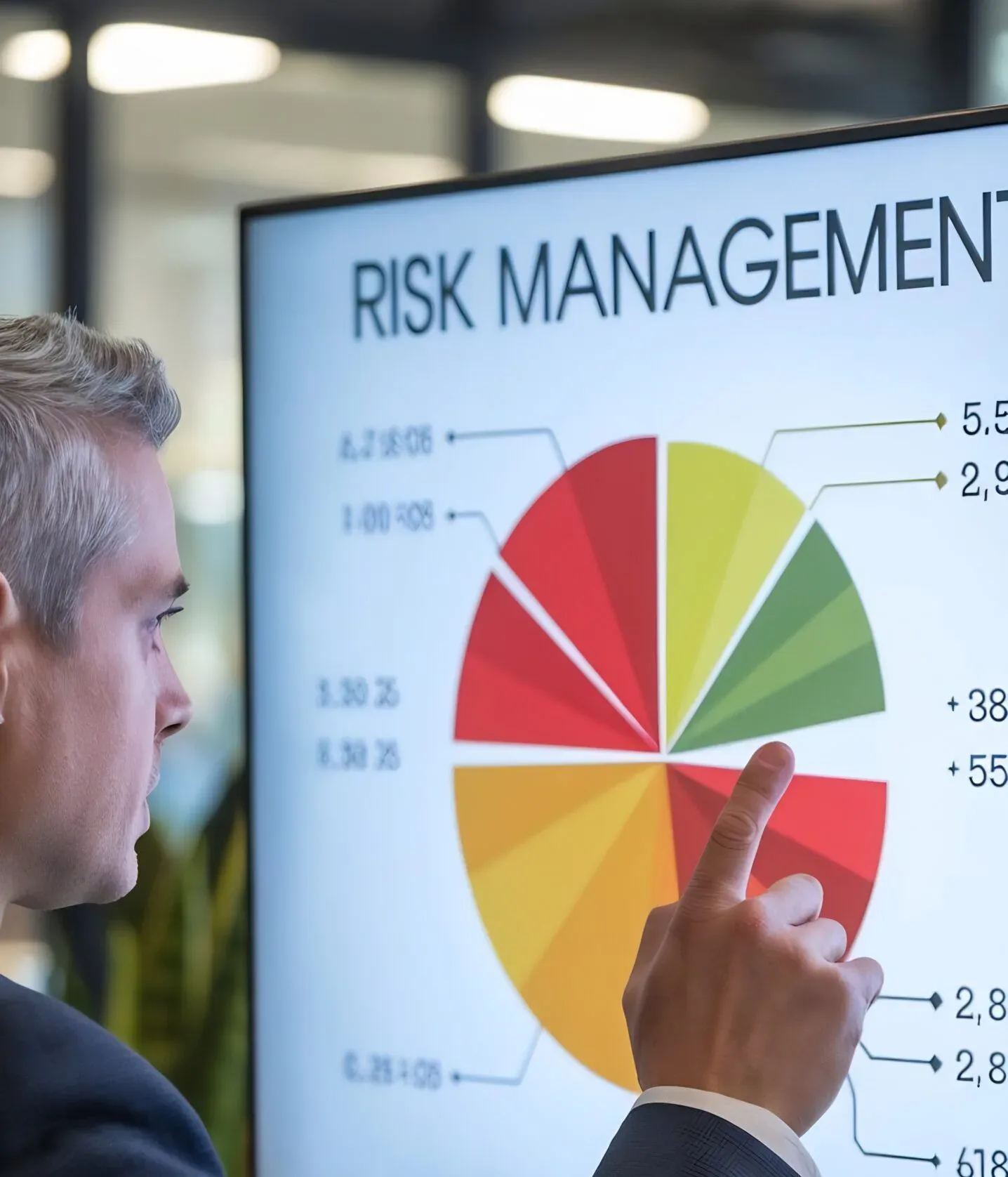
    Risk Management Strategies Every Project Manager Should Know

    • Posted by Claudia Martínez
    • Categories Project Management
    • Date 23.10.2024
    • Comments 1 comment
    • Tags

    Effective risk management is critical to the success of any project. It helps project managers anticipate potential challenges and minimize the impact of uncertainties. By applying appropriate strategies, risks can be identified, assessed, and mitigated, ensuring that the project remains on track. Here are essential risk management strategies every project manager should know:

    1. Risk Identification
      The first step in managing risks is to identify them early. This involves brainstorming potential risks that could affect the project, both internal and external. Common risks include budget overruns, schedule delays, technical failures, resource shortages, and stakeholder conflicts. Tools like SWOT analysis (Strengths, Weaknesses, Opportunities, Threats) or a risk breakdown structure can be useful in this process.
    2. Risk Assessment and Prioritization
      Once risks are identified, the next step is to assess and prioritize them based on their potential impact and likelihood. Not all risks require immediate attention. Project managers should use a risk matrix to categorize risks into four levels: low impact/low likelihood, low impact/high likelihood, high impact/low likelihood, and high impact/high likelihood. Focusing on high impact/high likelihood risks ensures that the most significant threats are addressed first.
    3. Risk Mitigation
      Mitigation involves taking proactive steps to reduce the impact or likelihood of a risk. For example, if a project is at risk of delays due to limited resources, a mitigation strategy could involve securing additional resources in advance or adjusting the project timeline to accommodate potential setbacks. Having contingency plans in place can also prevent minor issues from escalating into major problems.
    4. Risk Avoidance
      Risk avoidance aims to completely eliminate the threat by altering the project plan. This may involve changing project scope, objectives, or timelines to avoid high-risk situations. For instance, if a certain technology is deemed too risky due to its complexity or unproven track record, the project team might opt for a more reliable solution.
    5. Risk Transfer
      In some cases, risks can be transferred to third parties. This is commonly done through insurance policies, outsourcing certain tasks, or using contractual agreements. For example, a construction project may transfer the risk of accidents or damage to an insurance company, or a software development project may outsource certain high-risk components to specialized vendors.
    6. Risk Sharing
      For complex projects, it might be beneficial to share risks with other parties, such as project partners or stakeholders. This strategy involves distributing the responsibility for managing certain risks across multiple entities. By sharing the burden, project teams can reduce the individual impact and increase the likelihood of successful outcomes.
    7. Risk Acceptance
      Sometimes, risks are unavoidable or too costly to mitigate, and the project team may decide to accept them. This strategy is suitable for risks with low potential impact or likelihood. In these cases, the project continues as planned, with an understanding that the risk may materialize, but the consequences are manageable. However, it’s crucial to monitor accepted risks throughout the project lifecycle to ensure they don’t escalate unexpectedly.
    8. Regular Risk Monitoring and Review
      Risk management is not a one-time process but an ongoing activity. Risks should be continuously monitored, with regular reviews to assess any changes in their likelihood or impact. New risks can emerge as the project progresses, and existing risks may evolve. By keeping the risk register up to date and maintaining open communication with the team and stakeholders, project managers can quickly adapt to changing circumstances.
    9. Developing a Risk Response Plan
      A risk response plan is a detailed action plan outlining how to respond to specific risks if they occur. Each identified risk should have a corresponding response strategy—whether it’s mitigation, avoidance, or acceptance. The plan should include clear steps, responsibilities, and timelines for addressing each risk.
    10. Involving Stakeholders in Risk Management
      Stakeholders play a crucial role in risk management, as they often have valuable insights and concerns about the project. Engaging stakeholders early in the risk management process ensures that their perspectives are considered and that they are aligned with the project’s risk strategy. Regular communication with stakeholders can also help identify new risks and gain their support in managing challenges.

    Conclusion
    Effective risk management is essential for project success. By identifying, assessing, and addressing risks proactively, project managers can reduce uncertainty and improve project outcomes. Whether through mitigation, transfer, or acceptance, having a clear strategy for managing risks ensures that projects stay on track and within scope. By continuously monitoring risks and involving key stakeholders, project managers can navigate even the most complex challenges with confidence.

    Your article could be right here!

    Want to share your experience and knowledge with a wide audience? Register as an instructor on our platform and create content that will inspire and educate others.


    BECOME AN INSTRUCTOR

    • Share:
    Claudia Martínez

    Hello! My name is Claudia Martinez, and I have over 15 years of experience in project management across various industries, including technology, construction, and finance. I hold a Master’s degree in Project Management from the University of Barcelona and am a certified Project Management Professional (PMP). Throughout my career, I’ve had the opportunity to work with companies like Siemens and Accenture, where I implemented Agile and Scrum methodologies. In my courses, I focus on the practical aspects of project management and help prepare practitioners for certification exams.

    Previous post
    Mastering Time Management for Project Success
    23.10.2024
    Next post
    Agile vs. Waterfall: Choosing the Right Methodology for Your Project
    23.10.2024

    You may also like

    creative-business-people-discuss
    Agile vs. Waterfall: Choosing the Right Methodology for Your Project
    23.10.2024
    young-team-coworkers-working-pro
    5 Key Principles for Effective Project Planning
    23.10.2024

    Post Categories

    • Art and Design
    • Finance and Investment
    • Marketing and Sales
    • Personality Development
    • Project Management

    Events

    Happening
    16 January

    Exploring Art and Design with Emily

    11:00 - 15:00
    Онлайн
    Hi, I'm Emily, a graphic designer with over 10 years of experience, and I invite you to join my workshop dedicated to the world..
    Read More
    Happening
    01 September

    Implementing Agile for Successful Results

    08:00 - 17:00
    Online
    In today’s business world, flexibility and adaptability are key factors for success. This event will equip participants with the tools and methodologies..
    Read More
    Happening
    20 January

    Mastering Leadership in the Modern World

    11:00 - 21:00
    Online
    Leadership is one of the most essential skills to develop in today’s world. This event focuses on exploring the core aspects of effective leadership..
    Read More
    Happening
    28 August

    Secrets of Effective Branding and Promotion

    08:00 - 17:00
    Online
    The success of a business often hinges on how effectively it can position itself in the market. This event will unveil the secrets of..
    Read More
    Expired
    25 January

    Strategies for Growth and Capital Protection

    08:00 - 17:00
    Online
    Financial planning and investments are critical for long-term success, both for individual investors and businesses. This event covers key strategies for..
    Read More

    Recommended Courses

    Project Management
    $999.00

    Fundamentals of Project Management


    6 lessons Claudia Martínez
    Project Management
    $999.00

    Project Management Methodologies (Agile, Scrum, Waterfall)


    6 lessons Claudia Martínez
    Project Management
    $999.00

    Risk Management in Projects


    6 lessons Claudia Martínez

    Related courses

    Fundamentals of Project Management
    Fundamentals of Project Management
    Claudia Martínez

    $999

    Project Management Methodologies (Agile, Scrum, Waterfall)
    Project Management Methodologies (Agile, Scrum, Waterfall)
    Claudia Martínez

    $999

    Risk Management in Projects
    Risk Management in Projects
    Claudia Martínez

    $999

    TOOL SPACE REGISTER FOR FREE Unlock revolutionary opportunities to learn tools and manage project. Get Your Personal
    Total Project Management Framework

    Map the work. Run the steps. Own the decision.

    Framework

    Framework overviewTPM Lifecycle Map
    • Project Steps
    • Tool Levels

    Approach

    ParadigmManifestoResearch & Evidence

    Learning

    Learning with TPMAll coursesOur instructorsBecome an instructor

    Community

    BlogEvents

    About

    About TPMFounderTraining casesTeam

    Workspace & help

    My workspaceMy membershipMembership levelsGetting started
    EnglishРусскийУкраїнська
    Public offerPrivacy+380 98 019 07 89[email protected]

    Login with your site account

    Lost your password?

    Not a member yet? Register now

    Register a new account

    Are you a member? Login now