Topic Definitions #
Project Background
the second step in project management, vision , mission, strategy, and goals. At this stage, teams analyze current conditions, assess potential challenges, and identify opportunities that justify the project’s initiation. Clearly defining the background ensures that all participants understand the context and motivations behind the project. As a result, misunderstandings are minimized, and the focus remains on achieving the final objectives.
Project Stakeholders
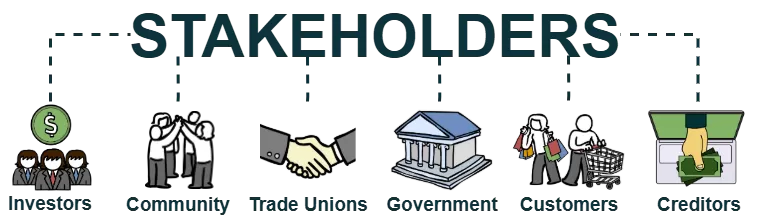
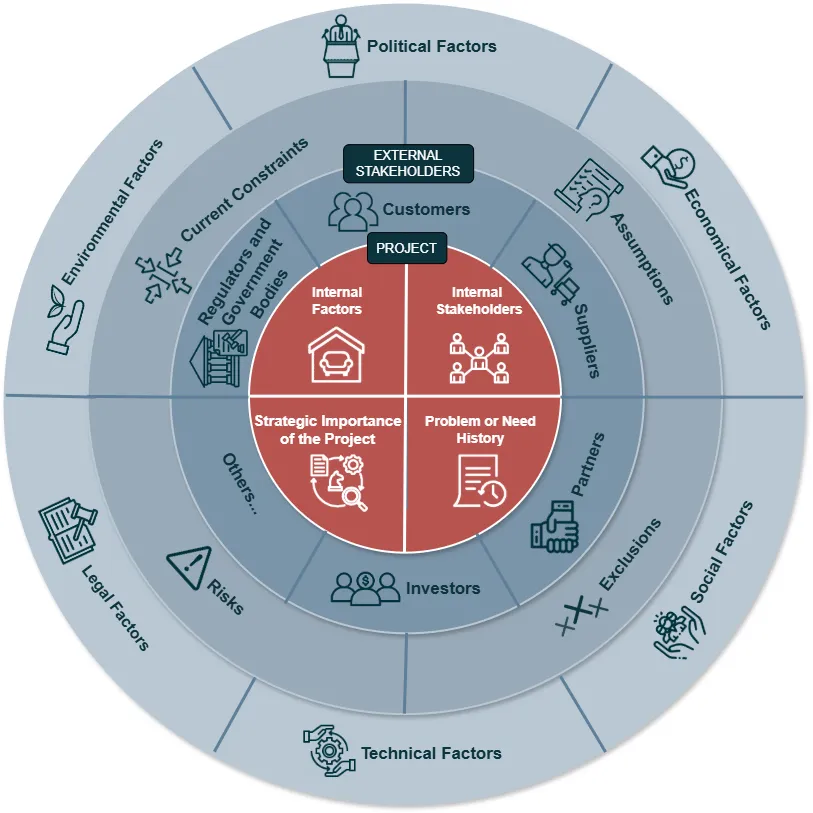
that influence or are influenced by a project’s results. They are categorized into internal and external groups.
• Internal stakeholders operate within the company, including project managers, employees, and departments that allocate resources.
• External stakeholders: consist of clients, suppliers, investors, regulatory agencies, and local communities that engage with the project in varying capacities.
Since each stakeholder possesses unique expectations and levels of involvement, their influence varies. Some actively shape decisions, such as project sponsors, while others observe passively but remain affected by the outcomes. Acknowledging their perspectives fosters collaboration, mitigates risks, and enhances overall project success.
Strategic Alignment
Historical Analysis
Performance Tracking
Contextual Alignment
Operational Efficiency
Market Expansion
Business Context #
Parent Organization of the Project #
No project exists in a vacuum. Even if it has a dedicated team, budget, and objectives, it is implemented within a specific organization — a company, foundation, government institution, or another type of entity. This structure is the parent organization of the project.
The parent organization defines the context in which the project emerges and is executed. It has its own history, strategy, culture, market position, customers, resources, and constraints. All these factors form the background that directly influences the project’s goals, scope, and implementation approach.
-
General Company Description
A concise overview of the organization, its mission, goals, and core activities.
-

Strategy and Operational Activities
The company’s strategic direction and how its daily operations support long-term objectives.
-

Resources and Management
Available financial, human, technological resources and the management capacity to execute initiatives.
-

Organizational Structure and Culture
Leadership model, decision-making processes, internal hierarchy, and cultural characteristics that influence execution.
-

Current Trends
Ongoing internal or industry developments that may impact the project.
-

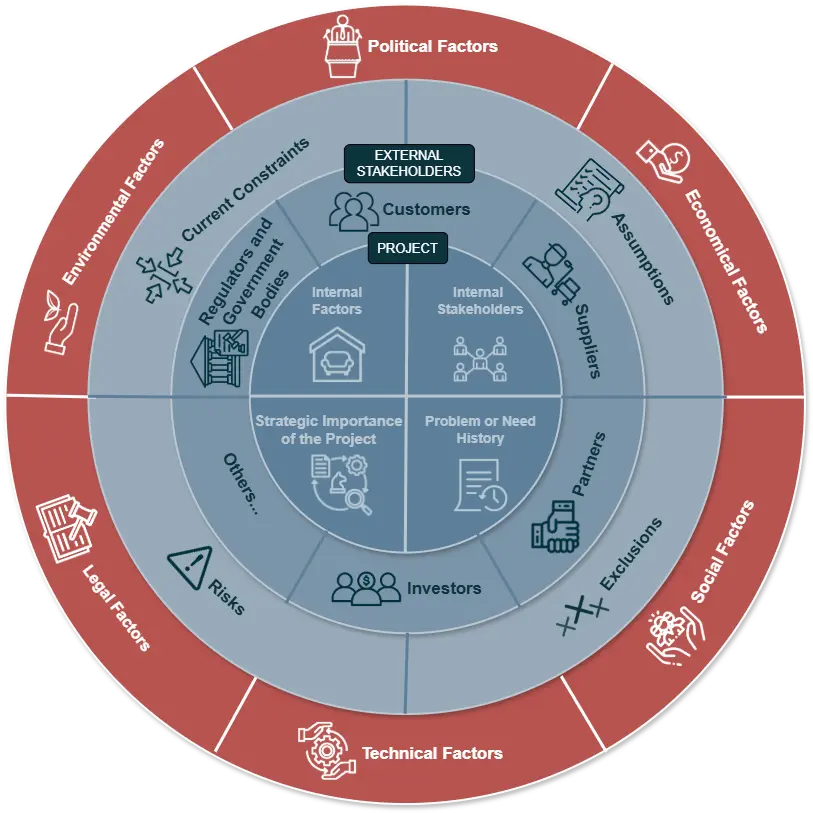
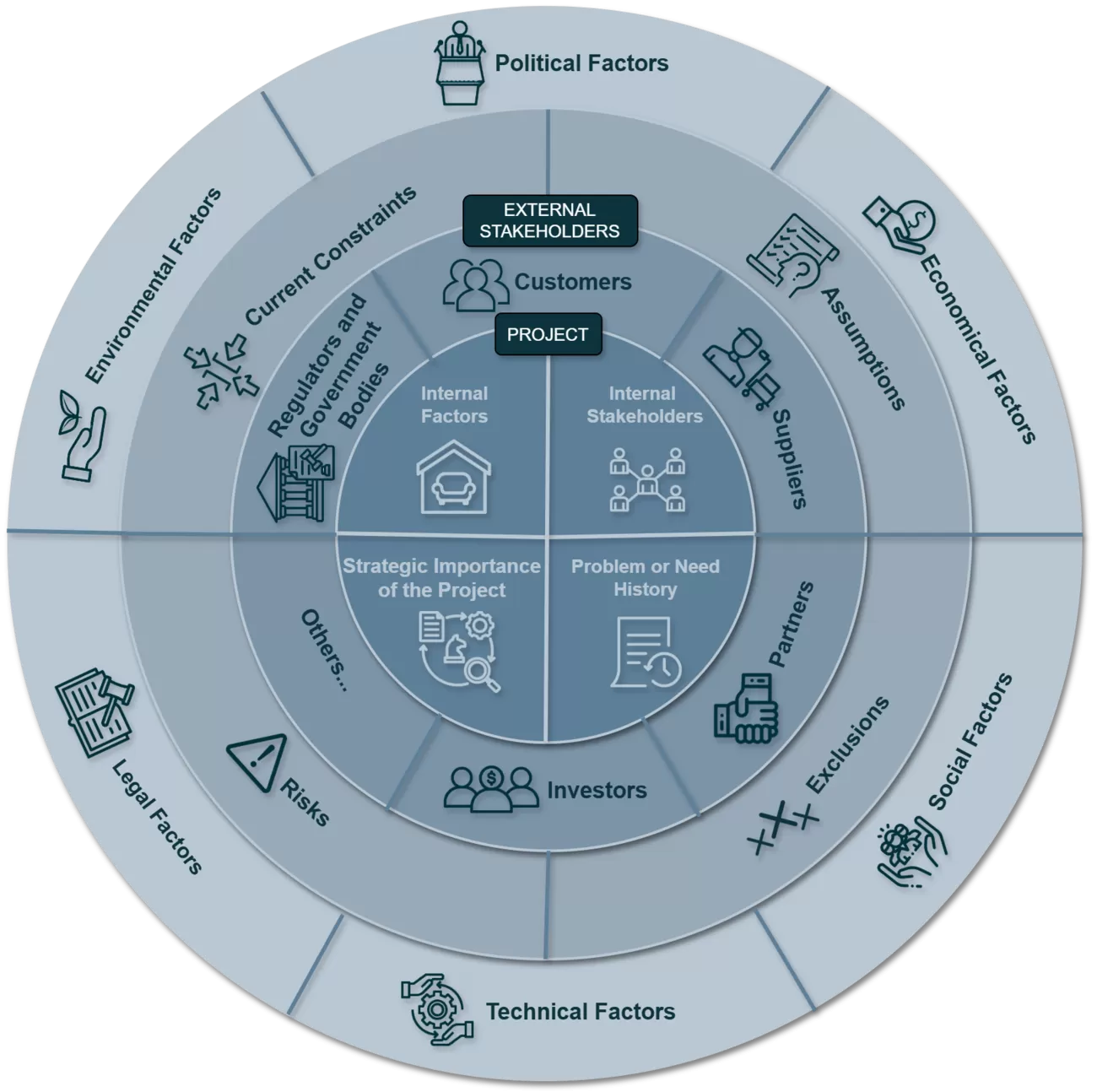
External Factors (PEST)
Political, economic, social, and technological conditions affecting the organization and shaping project constraints or opportunities.
By assessing these factors, businesses can identify potential risks and opportunities, adjusting strategies accordingly.
What is included in the background of the parent organization? #
In practical applications, users often complete the General Company Description section. This is not a formality, but a critically important contextual element.
Without understanding the parent organization:
it is difficult to correctly define the project’s objective,
it is challenging to assess its priority,
it is impossible to fully understand constraints and risks,
the quality of managerial decision-making decreases.
Describing the parent organization allows readers and stakeholders to see the full picture:
a project is a tool for change, but change always occurs within a specific environment.
Problem or Need History
This section explains the background of why the project began in the first place.
-
Problem Description
What issue is the project solving?
-
Previous Attempts
Have there been prior efforts to fix it?
-
Consequences of an Unresolved Problem
What happens if the issue persists?
-
Project Opportunities
What benefits may arise if the project succeeds?
This part is vital for contextual alignment and performance tracking.
Strategic Importance of the Project
This section defines how the project aligns with broader business objectives. It should explain the background of strategic initiatives to reinforce priority.
Impact on the Business
How the project will help achieve the company’s strategic objective, including operational efficiency, innovation, market expansion, and other critical aspects.
Potential Benefits
The strategic advantages the project may bring, such as improving competitiveness or increasing profits. It also includes the development of new market opportunities.
A strategic framing improves executive buy-in and long-term planning.
Internal Factors #
This section focuses on the factors within the company that may influence the project.
-
Financial Resources
A description of the current financial situation and available resources for project implementation project implementation.
-
Human Resources
The availability and qualifications of the personnel involved in the project .
-
Organizational Structure and Culture
The internal organizational culture and management structure that may affect the project’s success.
-
Resources and Infrastructure
The material and intangible resources available for the project, including equipment, technology, and infrastructure.
To ensure realistic execution, it is necessary to explain the background of internal enablers and limitations.
Stakeholders and Their Roles #
This section defines the key participants in the project, both within and outside the company.
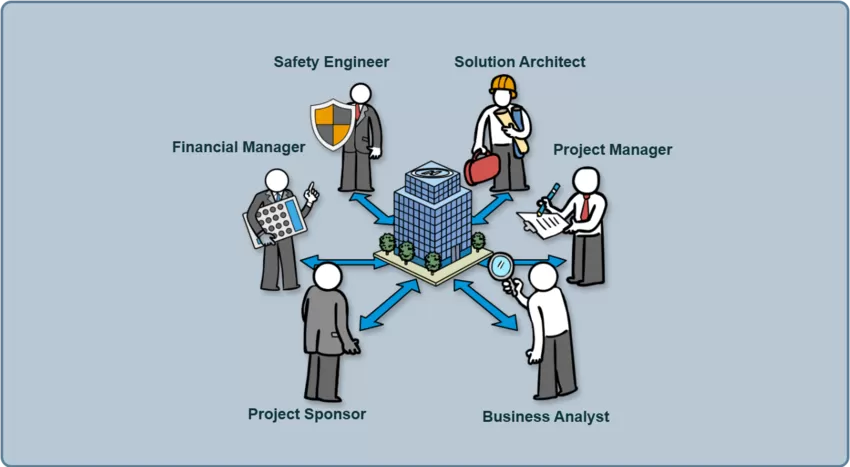
Internal Stakeholders
These can be departments, employees, or teams directly involved in the project.
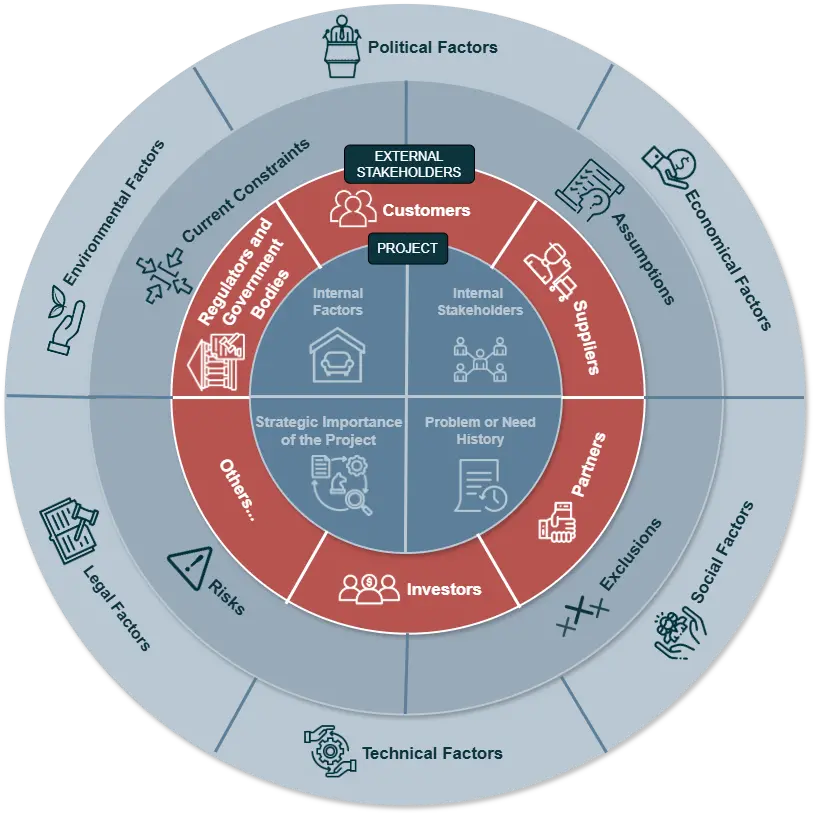
External Stakeholders
Suppliers, customers, partners, or investors who may be affected by the project .
A clear understanding of the stakeholders interests and expectations helps manage communications and increases the likelihood of success.
Project Initiator
This is an individual or group who identifies the need for the project. They are the ones who propose the idea for the project, noticing a need or opportunity for the organization or the market. It’s important to note that the project initiator is not necessarily involved throughout the entire project lifecycle, and their role typically ends once the project transitions from the idea phase to the official launch.
Project Sponsor
This is a more formal and permanent role. The sponsor is responsible for providing the financial resources (either monetary or in the form of other assets) for the project. They have the authority to make critical decisions, resolve conflicts, and support the project manager. The sponsor also plays a key role in oversight, providing guidance, and ensuring that the project aligns with business objectives.
Project Manager
This is a key role in project management, responsible for the detailed planning and execution of all aspects of the project. The project manager develops and approves the project plan, defines the necessary resources, manages their usage, and ensures adherence to timelines and budget. They maintain constant communication with stakeholders, sponsors, and the team, providing updates on progress and results achieved.
- Project Initiator:
The individual or entity responsible for identifying a project need. This role involves recognizing opportunities within the organization or market and proposing solutions. While initiators play a crucial role at the project’s inception, their direct involvement often ends once formal initiation occurs. - Project Sponsor:
A strategic role responsible for securing financial resources and ensuring project alignment with business goals. Sponsors hold decision-making authority, resolve conflicts, and oversee the project’s progress. Additionally, they play a key role in approving the project charter, defining the scope, and making crucial go/no-go decisions. - Project Manager:
- Responsible for planning, managing, and successfully completing the project.
- Coordinates the team, resources, and processes to achieve the project’s goals.
- Project Team Members:
- Specialists working on the tasks of the project.
- Includes both technical personnel and administrative staff involved in the project implementation.
- Program/Portfolio Manager:
- Manages multiple projects or programs within a unified direction.
- Ensures the strategic alignment of all projects within the portfolio.
- Functional Manager:
- Manages the department or division that provides resources for the project.
- May control the project team or participate in resource management.
- Financial Manager:
- Responsible for budgeting, financial control, and ensuring timely project funding.
- Keeps financial records and analyzes costs.
- PMO – Project Management Office:
- A specialized division responsible for project management standards, methodologies, and team support.
- Oversees the project management process and alignment with the company’s strategy.
- Key Users:
- Employees who will use the project’s outcomes.
- Participate in requirements development and testing, providing feedback on the quality of solutions.
- IT Specialists:
- Responsible for technical support and integration of IT solutions into the project.
- May include developers, data engineers, system architects, and administrators.
- Quality Manager:
- Controls the quality of all stages of the project.
- Ensures compliance with established processes and requirements.
- HR Manager:
- Manages human resources within the project.
- Responsible for recruitment, training, and motivating project personnel
- Business Analyst:
- Evaluates business processes and identifies necessary improvements. Their role ensures that project outcomes align with strategic goals.
- Risk Manager:
- Oversees risk identification, assessment, and mitigation strategies. By monitoring risks, they safeguard the project’s success.
- Procurement Manager:
- Manages procurement activities, including supplier selection, contract negotiations, and logistics coordination. Their role ensures smooth resource acquisition.
- Communications Manager:
- Responsible for developing and implementing internal and external communication strategies in the project. Ensures regular stakeholder updates.
- Resource Manager:
- Manages human and material resources in the project. Ensures their effective allocation and utilization.
- Configuration Manager:
- Responsible for controlling and managing changes in project configuration. Ensures consistency of versions and documentation.
- Project Controller:
- Monitors the project’s progress, manages performance indicators, and assists the project manager with schedule and cost analysis.
- Safety Engineer:
- Ensures compliance with safety standards in the project, particularly if the project involves health and safety risks.
- Technical Lead:
- Oversees the technical aspects of the project, ensuring the correct implementation of technical solutions and integration of all system components.
- Change Manager:
- Manages the process of introducing changes to the project, tracking their impact on the overall project flow and stakeholders.
- Test Manager:
- Organizes and manages the testing process for project solutions and products. Ensures all tests are performed and the product’s quality is verified before release.
- Solution Architect:
- Develops architectural solutions and is responsible for the technical design of the project. Ensures the integration of all systems and alignment with business requirements.
- System Administrator:
- Responsible for configuring, supporting, and maintaining servers, databases, and other systems involved in the project.
- Systems Analyst:
- Analyzes requirements and develops technical solutions to meet the project’s objectives. Collaborates with business analysts and technical specialists.
- User Support Manager:
- Manages the user support process after project solutions are implemented. Ensures prompt problem resolution and user training.
By analyzing internal participants, project managers can build more efficient workflows and internal communications.
External stakeholders: These are individuals or entities outside the organization who significantly impact or are affected by project outcomes. Explain the Background of external influence provides better risk awareness and planning.
They may include:
- Customers:
The core audience for the project’s final product or service. Their requirements shape project goals and drive success. - Suppliers: Entities providing materials, equipment, or services. Their efficiency directly impacts project timelines, costs, and quality.
- Partners:
Strategic allies that contribute expertise or resources. Their collaboration enhances project feasibility and execution. - Investors:
- Individuals or companies that finance the project and expect a return on investment.
- They are interested in the project’s successful completion from a financial performance perspective.
- Regulators and Government Bodies:
- Organizations or agencies that ensure the project complies with legal and regulatory requirements.
- This includes certification bodies, safety inspectors, licensing authorities, and environmental agencies.
- Auditors/Compliance:
- External organizations that audit the project for compliance with standards, laws, and regulations.
- They may influence project adjustments through recommendations to improve processes.
- Consultants:
- External experts engaged to provide advisory services on specific aspects of the project.
- They assist with solving complex issues, offering new approaches and tools for successful project implementation.
- Local Communities:
- Groups of people living in areas where the project is being implemented.
- They may be interested in the project’s social and environmental aspects.
- Media:
- Media outlets that can influence public opinion and perceptions of the project.
- Their interest may relate to large-scale or socially significant projects.
- Competitors:
- Companies or organizations that may indirectly influence the project through competition.
- Their actions can change market dynamics and impact the project’s strategy.
- NGOs and Advocacy Groups:
- Non-governmental organizations or groups that may promote specific social or environmental goals.
- They can influence the project if it affects their interests.
Involving these stakeholders early ensures broader support and realistic expectations.
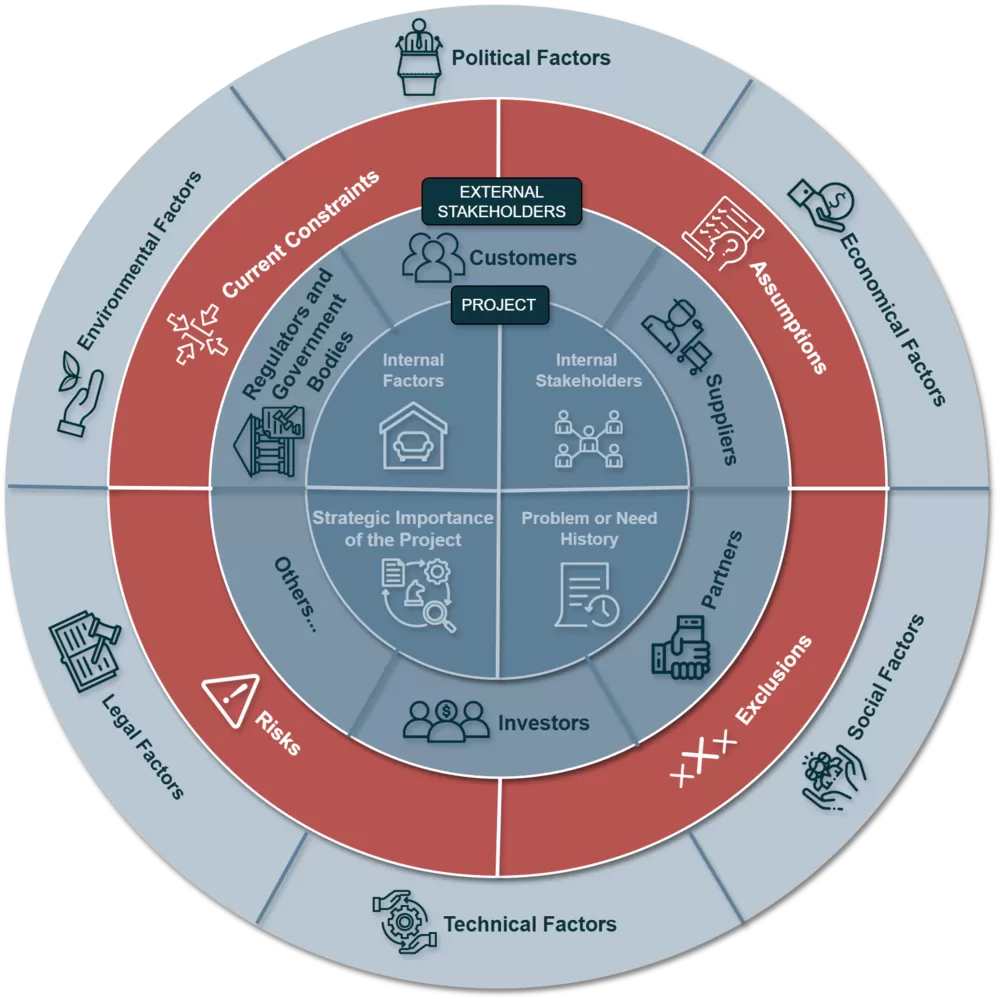
Boundary Conditions #
This section explains the background of core factors that may influence project success, including constraints, assumptions, exclusions, and risks.
• Constraints:
Constraints are limitations in time, budget, or resources that define project boundaries.
- Limited specialists or equipment;
- Tight deadlines;
- Budget caps restricting flexibility.
Early identification helps prioritize effectively.
• Assumptions:
Assumptions are conditions considered true during planning. Teams must explain the background to ensure clarity and alignment.
- Resources will be available as planned;
- Clients will deliver data on time;
- No legislative changes will occur soon.
Continuous validation is essential.
• Exclusions:
Exclusions define what’s not included in the project. This prevents scope creep and sets clear expectations.
- No support for legacy systems;
- No post-launch scaling;
- Maintenance excluded after delivery.
Documenting exclusions keeps focus sharp.
• Risks: Risks are potential threats that could disrupt execution. It’s crucial to explain the background of each to assess and manage them properly.Legal or regulatory changes;
Financial volatility;
Staff or equipment shortages.
Addressing risks early improves resilience.
External Factors #
- Project team members
- Stakeholders
- Domain experts
- Key participants of the process
- Validated or disproved
- Supported by measurable data
- Confirmed through structured external research
- Compared against objective market and environmental indicators
Therefore, this section should be treated as a working hypothesis framework, not as final analytical conclusions.
- Political Stability and Legislation:
- Political instability (government changes, crises)
- Legislative changes (taxes, tariffs)
- Changes in international politics (sanctions, international relations)
- Government regulations and standards.
- Regulation and Law:
- Changes in labor legislation
- Licensing and permits
- Competition regulation policies
- Intellectual property protection
- Trade and Tax Policy:
- Trade barriers and tariffs
- Changes in taxation
- Subsidy and grant policies
- Export/import support
- Environmental Laws and Policies:
- Government requirements for environmental safety
- Waste disposal and emissions laws
- Energy conservation policies
Economic factors affect purchasing power, investment activities, and financial stability.
Macroeconomic Indicators:- GDP (growth rates, cycles)
- Inflation and deflation
- Unemployment and employment rates
- Interest rate levels
- Financial Availability:
- Availability of loans and financial resources
- Exchange rates and fluctuations
- External financing conditions (investments, grants)
- Levels of personal and corporate savings
- Consumer Activity:
- Effective demand
- Changes in consumer preferences
- Consumer cycles
- Taxes and Subsidies:
- Changes in corporate taxation
- Government subsidies and business support programs
- International Economy:
- Global economic crises
- International trade agreements
- Exchange rate fluctuations
- Demographic Changes:
- Birth rates and population aging
- Population migration
- Levels of education and workforce qualifications
- Cultural Changes:
- Shifts in societal values and priorities
- Changes in lifestyle
- Social trends (e.g., increased interest in health and ecology)
- Public Opinion and Perception:
- Influence of media and information campaigns
- Social pressure (e.g., support for eco-friendly products)
- Perception of brands and products
- Education and Workforce Development:
- Access to skilled labor
- Changes in education and training systems
- Need for retraining and upskilling
- Social Security and Healthcare:
- Levels of social support and insurance
- Healthcare and epidemics (e.g., COVID-19)
-
Technological Innovations:
- Adoption levels of new technologies (AI, blockchain, IoT)
- Robotics and automation in manufacturing processes
- New software products and business solutions
-
Technological Obsolescence:
- Rapid obsolescence of technologies
- High costs of modernization and innovation
- Outdated production facilities
-
Technology Availability:
- Availability of advanced technologies for small and medium-sized enterprises
- Investments in research and development (R&D)
- Government and private investment programs in technology
-
Digitalization and Information Technologies:
- Growth in the use of cloud technologies and Big Data
- The impact of cybersecurity on business
- Changes in communication technologies (5G, fiber optics)
-
Environmental Technologies:
- Introduction of “green” technologies
- Energy-efficient solutions
- Smart cities and sustainable development
Current Trends #
At this stage, current trends reflect the project team’s expert-based assumptions about ongoing changes in the external environment. These are not research findings but working hypotheses that will later be validated during the Macro Factor Analysis phase.
Understanding the roles of project stakeholders is fundamental to building a strong foundation for success. By identifying and explaining both internal and external contributors, project managers can foster engagement, prevent conflict, and align expectations.
Moreover, by explaining the background of both internal factors and external pressures, teams can plan more accurately and avoid unnecessary risks. When paired with strategic alignment and historical analysis, this approach ensures that the project is both grounded and future-focused.
Ultimately, a project with a clear background, stakeholder integration, and strategic importance is better positioned to deliver lasting business value.